MI-RAISE Design Lab
This initiative has concluded. Findings and materials remain available below.
MI-RAISE Design Lab
The Michigan Center for Adult College Success partnered with Education Strategy Group to launch a new opportunity for post-secondary institutions seeking to design innovative solutions to address systems change and challenges faced by the adult learner population. The Michigan-Regional Adult Initiative for Skills and Education (MI-RAISE) Design Lab engaged a cohort of postsecondary institutions in a design sprint to assess their local economies, markets for adult learners, and capacity to educate adult learners. The goal of this program was ultimately to use those data to design new evidence-based approaches to best serve adult learners.
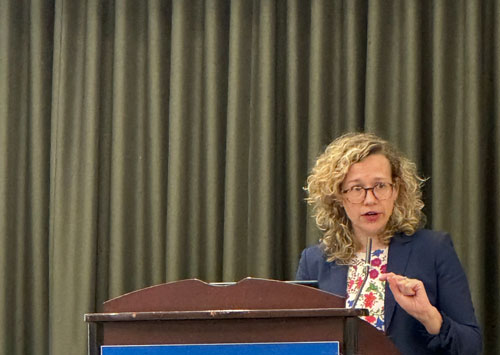
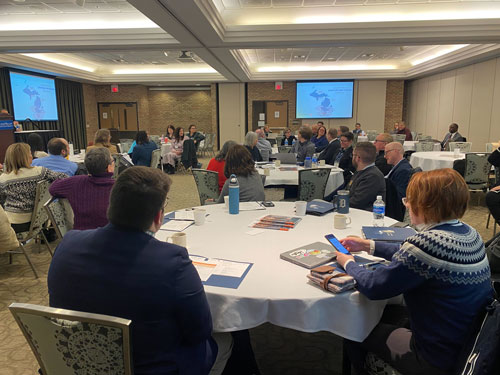
As the state of Michigan has sought to close equity gaps and achieve its broader Sixty by 30 attainment goal, the state launched significant investments in educating, reskilling, and upskilling adult learners. These investments included MCACS’ Innovation Investment Award grants and the student success grants administered by the Michigan Department of Lifelong Education, Advancement, and Potential Office of Sixty by 30. To prepare post-secondary institutions to strategically utilize these grants and other potential funding opportunities, MCACS partnered with Education Strategy Group to facilitate the MI-RAISE Design Lab. This design lab assembled a cohort of institutions seeking to design and develop innovative solutions to increase academic persistence and degree completion among adult learners in Michigan. The adult learner population is defined as students over the age of 25. This cohort supported MCACS’ goal of meeting the need for a skilled workforce in the state by increasing the number of adults obtaining postsecondary credentials.
MI-RAISE Resources
Materials from the convenings and recordings of the virtual convening remain available on our Meeting Materials page.
Meeting MaterialsMI-RAISE Design Lab FAQ
What institutions were eligible?
Public and tribal community colleges and public universities were eligible. Independent colleges and universities could participate if they were part of a joint application with one of the aforementioned institutions as the lead applicant.
Could an institution submit multiple applications?
An institution could only submit one application for their institution, Multiple applications were allowed only if the institution was part of a joint application.
Were international students considered in the potential of the population?
International students were considered part of the adult learner population, but the proposal also looked at domestic adult learners as well. If the proposal was focused solely on international students, the Center worked with potential groups to support international student focused efforts. Participants were urged to look at the adult learner population broadly.
What are some resources to connect institutions with companies who need workforce from adult learner demographic?
Participants will receive labor market information data on workforce demand in the institutions area. Through the MI-RAISE Design Lab we will be working with institutions who need to build out their workforce connections with options and ideas to build those relationships.
Were non-credit, micro credentials, and digital badges eligible, or was the focus on for-credit programs only?
Yes, those proposals were eligible. We strongly recommended proposals infuse non-credit, micro credentials, and digital badges into a credit-bearing bearing plan. As part of the MI-RAISE Design Lab we worked with institutions on proposals to incorporate these short-term items into credit-bearing pathways.
What did institutions who participated get out of the MI-RAISE Design Lab?
Institutions that participated in the MI-RAISE Design Lab received free access to experts and consultants to help them develop system change proposals to boost adult enrollment and completion. This assistance helped position the institution to identify the specific system changes to be undertaken, identify resources needed to accomplish the system changes, and position the institution to seek any internal and external resources needed to enact the system changes. Additionally, participants had the opportunity to learn from each other and potentially collaborate on their efforts. Lastly, institutions received adult learner data and labor market information in their geographic areas.
To be eligible for an Innovation Investment Award, did an institution need to participate in the MI-RAISE Design Lab?
No, however, institutions had to demonstrate a design process to develop the system change that funding wa being sought to implement. Aside from the MI-RAISE Design Lab, work that is being done with D3C3 or the work being done by Diploma Equity Project on human-centered design improvements were examples of approved planning processes.
What were the benefits to participating for the institution’s leadership?
Community college and university leadership got the benefit of additional resources to develop proposals that will increase their completion rates for adults at no cost to the institution. The proposals prepared the institution to successfully apply for the millions of dollars in grants available to increase student success efforts available. Additionally, the planning work identifed ways to successfully implement the proposals that could lead to increased completion rates, thereby increasing the marketability of the institution and increased revenues due to lowering the drop rates.
What were the benefits to participating for the institution’s staff?
The program provided consultants and technical experts to work with institution staff to develop system change grant proposals, adding capacity to their already taxed schedules and time. By participating in this process the staff who were responsible for developing proposals and submitting grant requests received significant supports that eased their time burden in developing successful proposals and experts that helped them develop strong proposals for consideration and future funding support.
What did The Center get out of the MI-RAISE Design Lab?
The Center piloted a model of technical assistance that could be utilized to fulfill its statutory requirements on consulting with Reconnect institutions on best practices. It provided an opportunity for The Center to build meaningful relationships with postsecondary institutions across the state. It also informed The Center on the specific best practices of interest to Michigan’s public colleges and universities. Lastly, it provided a meaningful pool of applicants for the Innovation Investment Awards.
What did good look like for MI-RAISE Design Lab?
The MI-RAISE Design Lab resulted in multiple community college and university proposals for system changes based on best practices and prepared the institutions or coalition of institutions to apply for funding to acquire the resources needed to execute the proposal. The MI-RAISE Design Lab will allow for increased communication and coordination between postsecondary institutions and develop a road map for success in boosting adult completion rates at their institutions.