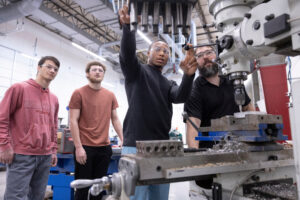
While completion is a vital step toward Michigan’s attainment goal, it is equally important that adult learners pursue certificates and training programs that lead directly to high-wage, high-demand jobs. Postsecondary success must go beyond finishing a program—it must ensure that the credential earned truly opens doors to meaningful and sustainable employment.
For adult learners, who often juggle work, family, and financial pressures, education is not pursued for its own sake. These learners want clear career pathways that connect their efforts in the classroom to tangible opportunities in the workforce. When programs are designed with this connection in mind—linking education to fields like advanced manufacturing, health care, information technology, and the skilled trades—students are more motivated, more likely to persist, and better equipped to achieve financial stability for themselves and their families.
The design of academic programs plays a crucial role in this process. Courses must equip students with the knowledge, skills, and abilities employers value most. Embedding hands-on training, industry-recognized certifications, and applied learning opportunities into these programs ensures that graduates are career-ready. Equally important are partnerships between colleges, workforce development organizations, and employers, which help keep programs aligned with Michigan’s evolving labor market needs.
By focusing on career pathways, institutions can ensure that adult learners are not just completing a program but entering a field with strong wages, advancement potential, and long-term stability. These pathways serve as bridges between education and employment, creating a system where every credential earned carries real economic value.
Michigan’s Sixty by 30 goal is about more than numbers—it is about quality, relevance, and impact. When completion is paired with career pathways in high-demand fields, Michigan builds a workforce that is resilient, competitive, and prepared to thrive in a rapidly changing economy.
(Photo by Allison Shelley/Complete College Photo Library)