 Many adult learners come to college with valuable skills and knowledge gained outside the classroom. Recognizing these experiences is essential to reducing barriers and accelerating progress toward a degree. That’s where credit for prior learning (CPL) makes a significant difference.
CPL provides students with the opportunity to translate real-world experience into academic credit. Whether through military service, workplace training, professional certifications, or community involvement, learners can earn credit for what they already know and can demonstrate. This not only acknowledges the expertise they bring to campus but also shortens the time and cost required to finish a credential.
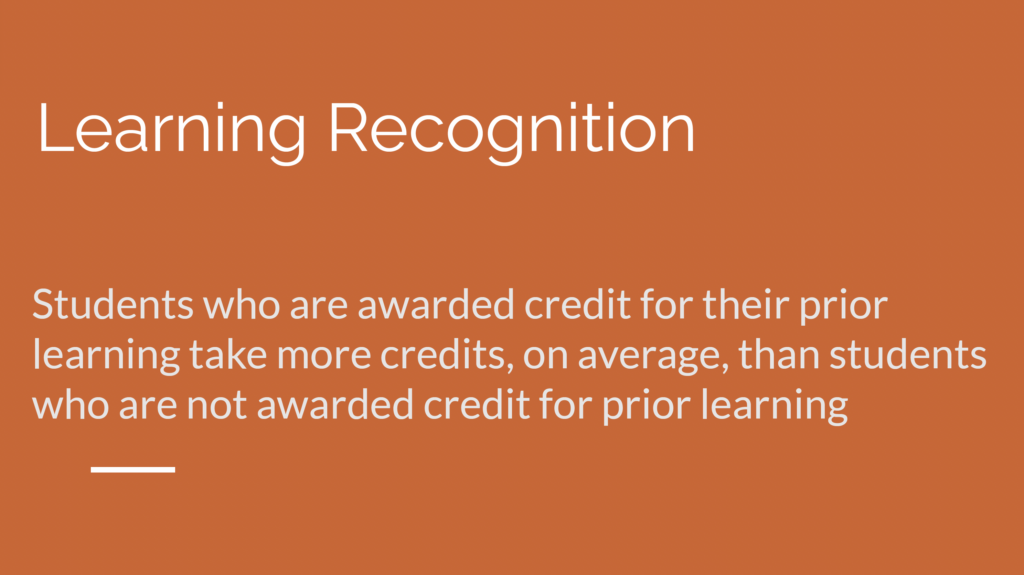
For adult learners balancing work, family, and school, CPL can be a game-changer. By eliminating unnecessary duplication of coursework, institutions empower students to focus on new learning while maintaining momentum toward completion. Research shows that learners who receive credit for prior learning are more likely to persist in their studies and achieve higher graduation rates compared to peers who do not.
Implementing effective CPL policies requires thoughtful design. Colleges can use standardized assessments, portfolio reviews, and evaluation of industry-recognized credentials to determine appropriate credit awards. Clear communication is also critical—students must understand what prior experiences qualify, how to apply, and what support is available throughout the process.
CPL also benefits institutions and employers. By helping learners complete degrees faster, colleges can improve enrollment retention and completion rates. Employers gain access to a workforce that is both highly skilled and motivated, while workers see their career opportunities expand more quickly.
Ultimately, CPL affirms the value of lifelong learning. It sends a powerful message: education recognizes the worth of every individual’s experiences and is committed to meeting learners where they are, paving the way to future success.